
Service-Learning through Conservation (SLC)
Do you know any students interested in conservation? Do they want to make a difference in their communities and surrounding environment? Would they like to get funding for a service-learning project they create themselves surrounding something they care about?
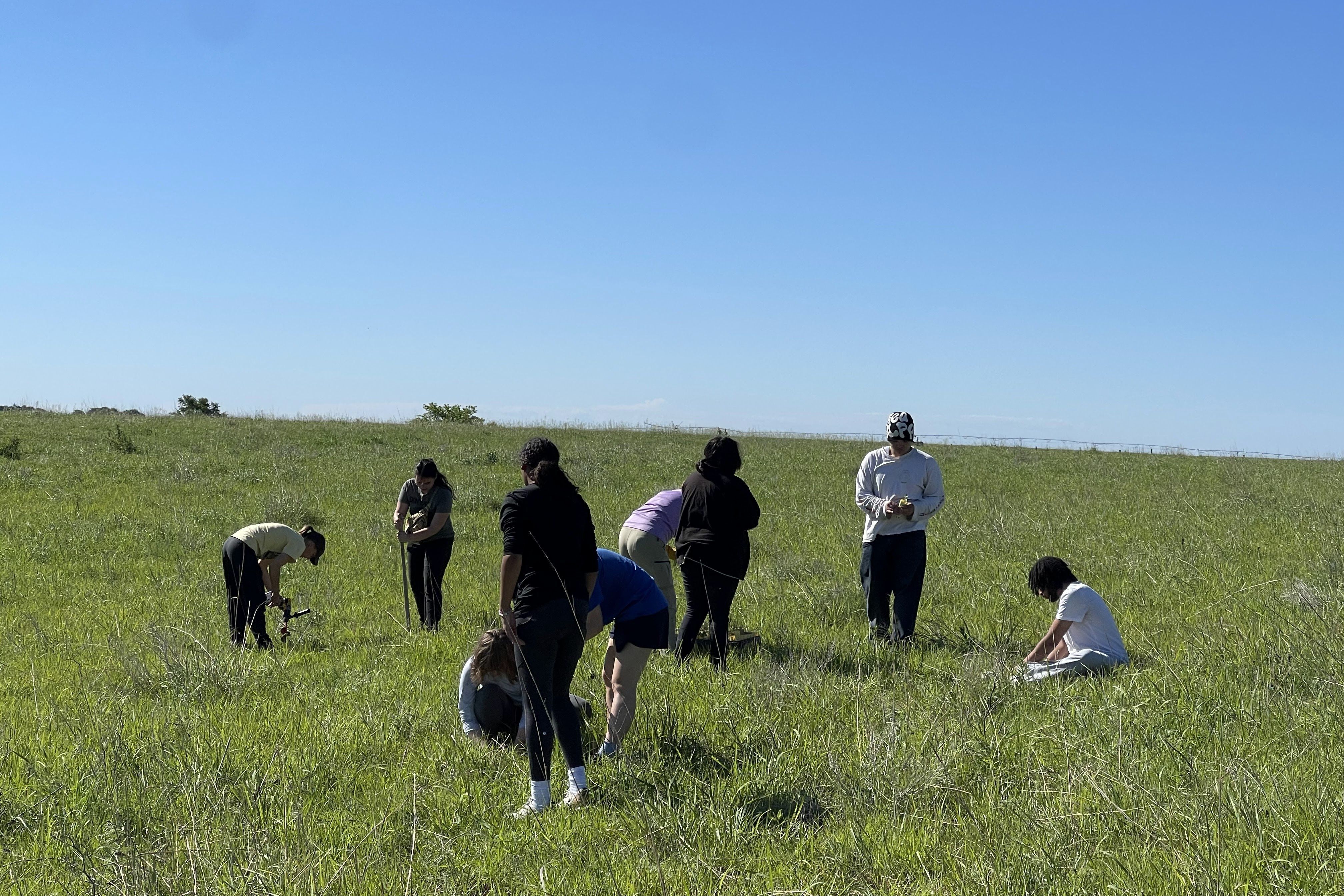
BSB has upcoming opportunities this year for youth-led, conservation-based, service-learning projects in partnership with National Geographic’s Slingshot Challenge. We will host this opportunity for high school students to join a cohort of conservation leaders and work in groups or individually to research, plan, and enact their service-learning projects. BSB is offering funding for student project supplies and career exploration experiences. We will also provide assistance and coaching to youth leadership, adult supervisors, and facilitate career connections.
General Informaton
- There will be 8 group meetings spread throughout the two 8-week cycles of the cohort
- The first 8-week cycle will begin the week of January 11
- The second 8-week cycle will begin the week of March 8
- Submission to National Geographic's Slingshot Challenge due February 5, 2027 is required
- Students will receive a $240 stipend after completion of each 8-week cycle (total of $480 if all requirements are met)
- We will help facilitate at least two conservation career experiences for each group
- Near peer learning and HS student leadership is required
Apply Today for SLC 2026-2027
More about Service-Learning
What is service-learning?
An approach to teaching and learning where students use academic and civic knowledge and skills to address genuine community needs. It’s a process not just a project! Youth voice, youth leadership, youth-adult partnerships are all key.
Why service-learning?
Service-learning is brain-based learning; the brain works best when there is active engagement in the learning, choice of activity or project, feedback and reflection, variety and novelty, complexity and challenge, and connection to others. SL gives students the opportunity to engage their brain in these ways while also building critical thinking, social, and other important skills.
National Geographic Slingshot Challenge
Each student or group of students will be participating in the National Geographic Slingshot Challenge throughout their project(s). The aim of this challenge is to encourage students aged 13-18 to design and document their ideas for tackling environmental issues and creating a sustainable future. Below is the summarized process BSB will use to support students in completing the challenge.
Slingshot Challenge Process
More context into each step is outlined in the attached National Geographic Participant Toolkit
- Gauge student interest-- what passions, problems, challenges do the students in the club have surrounding the environment, climate change, and/or sustainability? Students will be working in groups of 1-6 for the Slingshot challenge-- so they'll get to work individually or find others in their community/school/program to join them!
- Which category or categories do the proposed challenge(s) fall into? Examples are included in the guide.
- Clean the air
- Restore the ocean
- Protect nature
- Reduce waste
- Address climate change
- Which category or categories do the proposed challenge(s) fall into? Examples are included in the guide.
- Research and brainstorm with the students on ideas of how to address their challenge-- support students in utilizing the relevant worksheets included in the guide.
- Research more about the challenge, solution, and its impact on their communities-- support students in utilizing the relevant worksheets included in the guide.
- Plan and record the one-minute video which will be used to tell the story of the student's ideas and solutions for their community-- support students in utilizing the relevant worksheets included in the guide.
- Submit the video and support students in pursuing their interest and action.
- Student support to enact their solution in their community.
Reach out to Alexus Hansen (ahansen@nebraskachildren.org) or Dakota Staggs (dstaggs@nebraskachildren.org) with any questions!